
For Taiwan Chipmakers, U.S. Trumps China

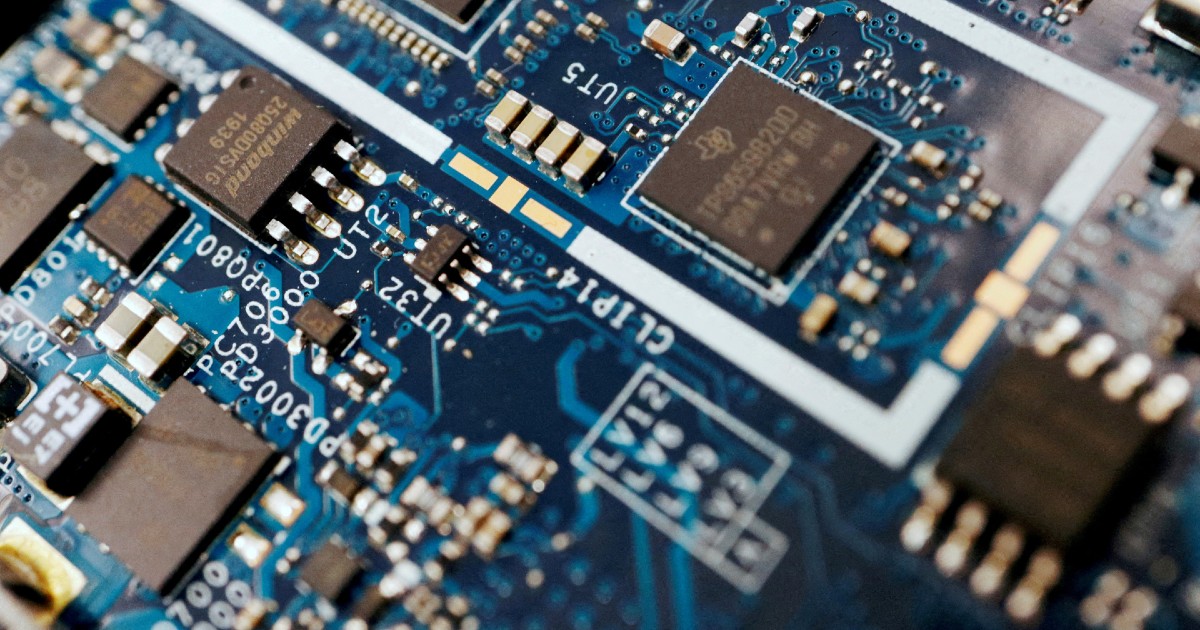
Riding a record year, Taiwan’s chipmakers must choose the U.S. over China, as they navigate the complex and changing rules of trade between their two most important markets.
After the U.S. Commerce Department issued new rules governing China on November 19, they began tightening compliance and suspended certain orders from Chinese designers.
Taiwan Semiconductor Manufacturing Company (TSMC) told Chinese designers to halt order for chips using 16-nanometre (16 nm) and more advanced nodes unless they had U.S. export licences. Clients are mainly restricted to older processes, like 28 nm or 40 nm.
TSMC has ordered stricter checks on the operating locations of customers, their parent companies, packaging providers and shipping routes to prevent Chinese from using overseas subsidiaries or intermediaries to bypass the rules.
TSMC and other makers in the chipmaking and electronics industry are caught in the middle of this battle between the two superpowers. If they must choose between the two, they have to choose the U.S. as the most important market.
As a central supplier of semiconductors and AI hardware, their decisions are affected by changes in tariffs, export control and supplies of critical materials.
According to Taiwan’s Ministry of Finance, the U.S. accounted for 31.7 per cent of the island’s merchandise exports in the first ten months of this year, compared to 23.8 per cent for China and Hong Kong. In October, exports reached a record US$96.76 billion, up 58.9 per cent from a year earlier. The government forecasts that Taiwan’s GDP growth in the full year will be 11.5 per cent, one of the highest in the world.
The biggest single factor is exports of AI and related evolving applications, for which the U.S. is the largest market.
For the first ten months of the year, TSMC reported revenue of NT$4,485.62 billion, an increase of 43.3 per cent over a year earlier. It said that, in the third quarter, advanced technologies – 7 nm and more advanced, accounted for 79 per cent of total wafer revenue. These are the chips which China wants most.
It said that, in the fourth quarter, demand would remain strong its leading-edge process technologies, including “a steep ramp-up of its 2-nanometer technology”. It predicted gross profit margin in the fourth quarter of between 65 and 90 per cent.
Taiwan firms have been imbedded in the AI infrastructure of the U.S. TSMC supplies advanced processors of technology companies, while other Taiwan firms supply components, substrates, advanced packaging services and AI servers.
The next deadline for them is January 19, 2027, when a three-month truce between Beijing and Washington expires. Until then, China will suspend a 24 per cent additional tariff on U.S., while maintain a separate 10 per cent tariff. The U.S. prolonged tariff exclusions and other measures, as well as expanded restrictions on affiliates of black-listed companies.
Taiwan chipmakers are in the middle of a boom never seen before in their industry.
In September, TSMC Kevin Hou said that, in July this year, demand for equipment was 1.9 times more than a year earlier. “We are currently building 13 fabs in Taiwan and have broken ground on plants in five-six overseas locations. At the same time, we are pursuing the construction of about 20 fabs worldwide. The current scale of construction is four-five times that of the past.”
In the U.S., TSMC currently operates two fabs, in Camas, Washington and Phoenix, Arizona. It is building or planning 11 additional manufacturing and packaging facilities in Arizona. When all are completed, the company will have 10 wafer fabs in Arizona, at a total cost of US$265 billion.
TSMC also holds a 70 per cent stake in a plant in Dresden, Germany. It is due to be completed in 2027 and will produce 480,000 12-inch wafers each year.
Hou said that the biggest obstacle to expansion, in Taiwan and the U.S., was a severe shortage of construction workers.
This gigantic investment in the U.S. means that market is paramount for TSMC and other Taiwan companies. China is an important market, but secondary.
-
How should leaders govern the people? Michael Chugani
A senior Mainland official once advised Donald Tsang Yam-kuen when he was the chief executive to think like the people do. It was good advice. Leaders who want to effectively serve the people need to
-
Hong Kong Tourism Board Unveils ‘Only in Hong Kong’
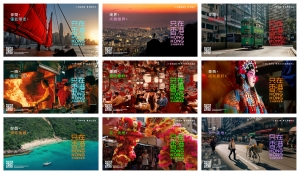
The Hong Kong Tourism Board (HKTB) launched ‘Only in Hong Kong’, a new global campaign that redefines how the city is experienced and differentiating Hong Kong as Asia’s World City. Moving beyond a
-
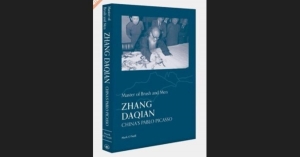
Zhang Daqian, China's Best Painter for 500 Years Mark O'Neill
At Sotheby’s art auction in Hong Kong in April this year, it put on sale three works by Zhang Daqian ( 張大千). One of them, Sunshine after Rain (雨後斜陽), sold for HK$15.36 million. It was evidence that,
-
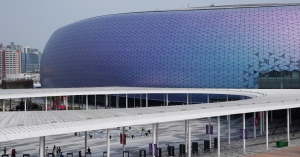
Government celebrates success of Kai Tak Sports Park Mark O'Neill
The Hong Kong government is celebrating the success of the Kai Tak Sports Park which opened in March last year – nearly 600,000 people have attended major sports events there. In a written reply in