
“London Bridge is Falling Down”

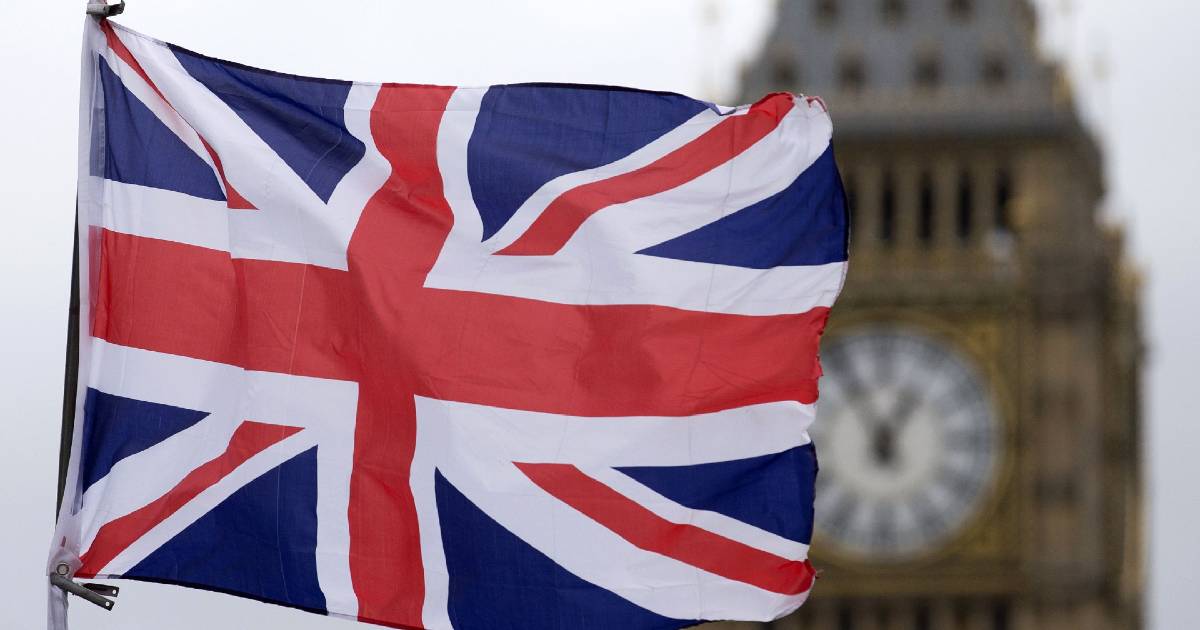
“London Bridge is falling down, falling down, falling down, London Bridge is falling down, My Fair Lady.”
This is a nursery rhyme sung by British children for more than 100 years. Now it could be coming true.
Of the 30 bridges over the River Thames, just six are in good condition, the city’s top bridge engineer told the Transport Committee of the London Assembly earlier this month.
“We rate 16 in poor or very poor condition, the lowest possible rating,” said Satbir Gill. “This is due to chronic underinvestment, heavier modern vehicles and extreme weather, like long heatwaves, that historical bridge designs were not built to withstand.”
Two of the 30 have been closed to motor vehicles. One is Hammersmith Bridge, in 2019. Only pedestrians and cyclists can use it. Without 128 million pounds in state funds, it may be forced to shut completely, Gill warned. It was built in 1887.
The other is Albert Bridge, which opened in 1873. It closed in February this year after inspectors found a crack in a cast-iron component that needs 8.5 million pounds to repair. It is due to reopen next year. Three other bridges are subject to 18-tonne weight restrictions.
The closures mean that the passenger and cargo vehicles that used the two now cross the river on other bridges, putting further pressure on them.
Andrew Burton, highways director at Kensingtonand Chelsea council said: “The trend toward bigger cars and SUVs is adding to the wear and tear, with many more cars coming toward three tonnes in weight.”
Many of the bridges were built in the 19th century, the Victorian era, when Britain was the richest and most powerful country in the world. At the same time, between 1840 and 1870. were built the Houses of Parliament, in the Gothic Revival style, next to the Thames River.
It too is desperately in need of repair. Estimates of the cost range from 11 to 39 billion pounds, a project that will take decades to complete and may involve the parliament moving elsewhere for a period of time.
“The Palace of Westminster is one of the greatest buildings on earth,” wrote Jesse Norman, a Conservative MP and shadow leader of the House of Commons, in the Financial Times on November 15.
“Its stonework, electrical systems, plumbing, ventilation and fire safety urgently need attention. Nobody seriously disputes the need for restoration,” he wrote.
The problem for the bridges and the Parliament is the same – lack of public funds.
As of October 2026, British public sector net debt stood at £3,058.3 billion (£3.1 trillion), or 95.8 per cent of GDP. This marked the highest debt-to-GDP level since the early 1960s and follows the UK’s total net debt crossing the £3 trillion threshold for the first time in September 2026. Interest payments are the fourth largest item of government spending.
The Labour government is struggling to meet many demands for spending, in the face of worsening inflation and rising borrowing costs. Welfare spending is predicted to reach £431 billion in 2031-32 — a close to £100 billion increase from 2025-26.
Energy costs are rising because of wars in Ukraine and the Middle East; neither shows any sign of being resolved.
In Europe, Britain is one of the strongest supporters of Ukraine. It has promised to raise defence spending to 3 per cent of GDP by 2030, as it progresses towards its NATO obligation to bring it to 3.5 per cent by 2035. The total increase in defence spending by 2035 amounts to £35 billion, according to official estimates.
In 2025, Britain’s GDP growth was a modest 1.2 per cent. Official predictions put it at 1.3-1.6 per cent this year.
So who will pay to repair the bridges of London? Four different bodies own the 30 bridges, making funding complicated and fractious. For all of them, the money available is insufficient.
For example, Hammersmith Bridge is owned by the local council of Hammersmith and Fulham. It is not rich enough to pay the 300 million pounds needed to make it able to carry motor vehicles. So it has chosen a more modest plan of 128 million for pedestrians, cyclists and river traffic.
For Albert Bridge, the owner, Kensington and Chelsea Council, is using its own capital budget of 8.5 million for repairs and lobbying the government for additional funds.
Yet London alone accounts for 22 per cent of Britain’s GDP. It is the sixth wealthiest city in the world and home to 215,700 people with assets of at least one million pounds.
If London cannot repair its bridges, how about towns and cities in the rest of Britain?
-

How should leaders govern the people? Michael Chugani
A senior Mainland official once advised Donald Tsang Yam-kuen when he was the chief executive to think like the people do. It was good advice. Leaders who want to effectively serve the people need to
-

Hong Kong Tourism Board Unveils ‘Only in Hong Kong’
The Hong Kong Tourism Board (HKTB) launched ‘Only in Hong Kong’, a new global campaign that redefines how the city is experienced and differentiating Hong Kong as Asia’s World City. Moving beyond a
-

Zhang Daqian, China's Best Painter for 500 Years Mark O'Neill
At Sotheby’s art auction in Hong Kong in April this year, it put on sale three works by Zhang Daqian ( 張大千). One of them, Sunshine after Rain (雨後斜陽), sold for HK$15.36 million. It was evidence that,
-
Government celebrates success of Kai Tak Sports Park Mark O'Neill
The Hong Kong government is celebrating the success of the Kai Tak Sports Park which opened in March last year – nearly 600,000 people have attended major sports events there. In a written reply in